Product Description
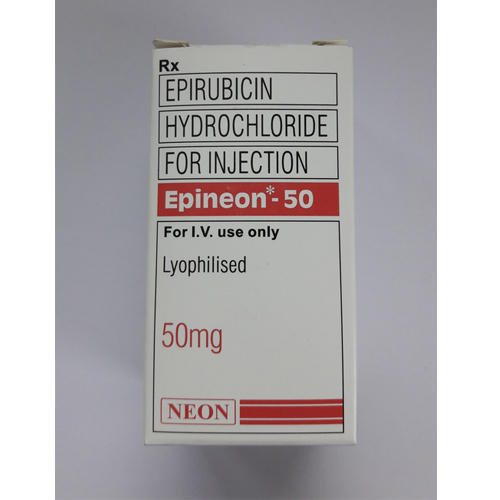
Epineon 10 MG Injection falls under a category of drugs called anthracycline which is used for chemotherapy. It may also be referred to by its trade name Ellence. Epineon 10 MG Injection is used mainly as an adjuvant drug in association with other kinds of medications for breast cancer treatment in women, especially after surgery has been carried out. It is an anti-cancer drug used in therapy. But be careful as Epineon 10 MG Injection is a vesicant. It needs to be injected into your veins by trained hands only; your doctor or nurse. Epineon 10 MG Injection is injected into your body through free-flowing (IV) solution.
Indications and ApplicationEpirubicin Hydrochloride Injection is widely recognized for its efficacy in anticancer chemotherapy. It is commonly prescribed for the treatment of breast cancer and other solid tumors, contributing to improved patient outcomes when used as part of a comprehensive cancer treatment regimen.
Safe Administration and PrecautionsThis injection is administered intravenously only by healthcare professionals. Special safeguards are advised for patients with cardiac disease or bone marrow suppression, and those with known hypersensitivity to Epirubicin or anthracycline derivatives should avoid its use. Compatibility is restricted: it must not be mixed with heparin or other alkaline solutions.
Storage and Disposal GuidelinesProper storage is essential for maintaining the potency of Epirubicin Hydrochloride Injection. It should be kept between 2C and 8C, away from light, and never frozen. Unused portions must be discarded following hospital protocols for cytotoxic agents to ensure safety and compliance.
FAQs of Epirubicin Hydrochloride Injection:
Q: How is Epirubicin Hydrochloride Injection administered to patients?
A: Epirubicin Hydrochloride Injection is administered intravenously by medical professionals, ensuring precise dosing and patient safety.
Q: What are the available strengths and packaging types for Epirubicin Hydrochloride Injection?
A: This injection is available in strengths of 10 mg/5 ml, 50 mg/25 ml, and 100 mg/50 ml, each supplied as a clear red solution in glass vials.
Q: When should Epirubicin Hydrochloride Injection not be used?
A: It should not be used in patients with known hypersensitivity to Epirubicin, anthracycline derivatives, or those experiencing severe cardiac disease or bone marrow suppression.
Q: Where should the injection be stored to maintain its efficacy?
A: Store Epirubicin Hydrochloride Injection at 2C to 8C, protect it from light, and do not freeze it to ensure efficacy throughout its shelf life.
Q: What precautions are necessary when handling or disposing of this medication?
A: Healthcare professionals must discard any unused portion of the injection, strictly adhering to hospital protocols for cytotoxic drug disposal to prevent contamination and exposure.
Q: Can Epirubicin Hydrochloride Injection be mixed with other solutions for administration?
A: No, this medication should not be mixed with heparin or other alkaline solutions due to incompatibility concerns.
Q: What are the benefits of using Epirubicin Hydrochloride Injection in cancer treatment?
A: Epirubicin Hydrochloride Injection offers significant benefits in cancer therapy, notably improving outcomes for patients with breast cancer and solid tumors when incorporated into chemotherapy protocols.






 Send Inquiry