Product Description
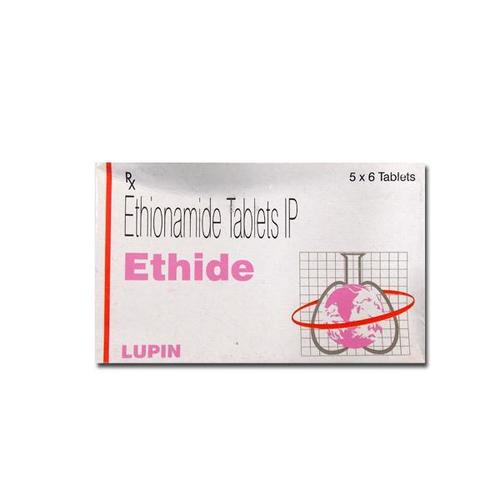
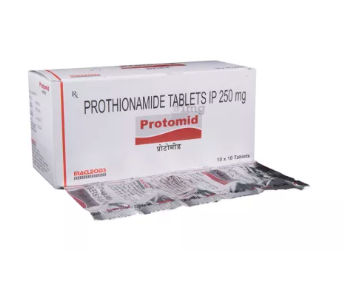
Ethionamide is used with other medications to treat tuberculosis (TB). Ethionamide is an antibiotic and works by stopping the growth of bacteria. This antibiotic treats only bacterial infections. It will not work for viral infections (such as common cold, flu).
Mechanism and IndicationEthionamide Tablets act as an antitubercular agent by inhibiting the synthesis of mycolic acids necessary for bacterial cell walls. Recommended for both pulmonary and extrapulmonary tuberculosis resistant to isoniazid, these tablets offer a vital alternative when standard regimens become ineffective. Their role in multidrug-resistant TB is critical for successful outcomes.
Quality Assurance and ComplianceManufactured in ISO and WHO-GMP certified facilities in India, Ethionamide Tablets undergo stringent pharmacopoeial testing to ensure safety and efficacy. Only high-purity ingredients, including Ethionamide IP and supportive excipients, are used. This robust quality control supports their global export and reputation among healthcare professionals.
Storage and Product FeaturesEthionamide Tablets should be stored below 30C, protected from light and moisture to maintain optimal shelf life of 24-36 months. These odorless or characteristically-scented tablets ensure consistent dosage and ease of administration, while their film-coating aids in swallowability and stability. Their packaging structure is tailored for clinic or pharmacy dispensing.
FAQs of Ethionamide Tablets:
Q: How are Ethionamide Tablets administered for tuberculosis treatment?
A: Ethionamide Tablets (250 mg) are intended for oral administration and should be taken exactly as prescribed by a qualified healthcare professional for treating tuberculosis resistant to isoniazid.
Q: What is the recommended indication for using Ethionamide Tablets?
A: These tablets are specifically indicated for the management of pulmonary and extrapulmonary tuberculosis when strains are resistant to isoniazid, as determined by a physician.
Q: When should Ethionamide Tablets not be used?
A: Avoid use in patients with severe hepatic impairment, hypersensitivity to ethionamide or any tablet ingredients, and during pregnancy unless clearly needed as risk is not ruled out (Pregnancy Category C).
Q: Where can Ethionamide Tablets be exported and obtained?
A: Ethionamide Tablets are exported from India and distributed globally. For details about marketing authorization or local availability, contact the manufacturer or supplier directly.
Q: What quality controls are put in place for Ethionamide Tablets?
A: These tablets are produced in WHO-GMP and ISO certified facilities and undergo rigorous pharmacopoeial testing to ensure safety, potency, and purity.
Q: How should Ethionamide Tablets be stored and handled?
A: Store the tablets below 30C, in a dry place protected from light and moisture, to ensure efficacy throughout their 24-36 month shelf life.






 Send Inquiry