Product Description
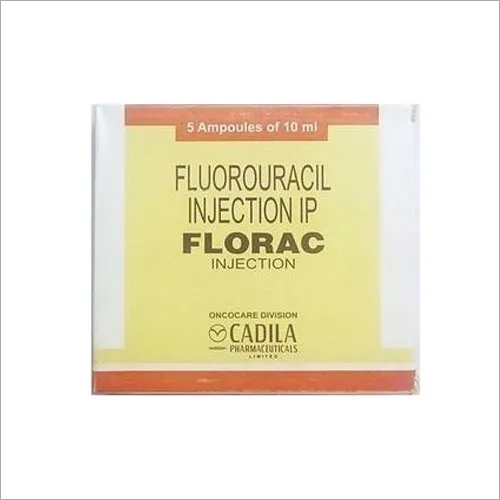
Fluorouracil Injection falls under a class of drugs known as anti-metabolites. It is used to treat symptoms of colon and breast/stomach/ pancreas cancer and as a cream it treats abnormal skin growth. It functions by prohibiting the growth of cancerous cells.
On using this medication you may experience side effects such as burning sensations, dryness, skin rash, swelling, skin color change, heartburn, temporary hair loss, change in taste, difficulty sleeping/ breathing/ maintaining balance, diarrhea, mouth sores and chest pain. Seek medical attention if your reactions persist or worsen over time.
Before using this medication notify your doctor if: you are allergic to any ingredient contained within Fluorouracil Injection, you have any other allergies, you are taking sorivudine, you have any serious infection, you are taking any prescription or non-prescription drugs, you have liver/ kidney disorder, you are pregnant, or planning to become pregnant, or are nursing a baby.
Indication and Therapeutic UseFluorouracil Injection is primarily utilized as an antineoplastic agent. Its main indications encompass cancers such as colorectal, breast, gastric, pancreatic, and certain skin malignancies. The products action inhibits the growth of cancer cells, aiming to provide significant therapeutic benefits when administered under specialist supervision.
Precautions and AdministrationDue to its cytotoxic nature, Fluorouracil Injection may only be given by healthcare professionals with experience in chemotherapy. Administration is exclusively intravenousvia infusion or slow injectionwith careful adjustment of pH and compatibility checks as per protocol. Monitoring for adverse reactions and toxicity is essential during therapy.
Storage and HandlingThe injection must be stored below 25C, shielded from light, and kept out of freezing conditions for optimal stability. Glass or plastic vials are available depending on packaging requirements. Shelf life extends 24 months from the manufacturing date, provided correct storage practices are followed.
FAQs of Fluorouracil Injection:
Q: How should Fluorouracil Injection be administered to patients?
A: Fluorouracil Injection must be given intravenously, either through a slow injection or by infusion. Administration should always be performed by trained medical professionals in a clinical setting to ensure proper handling and patient safety.
Q: What conditions is Fluorouracil Injection used to treat?
A: This agent is primarily indicated for the treatment of various cancers, such as colorectal, breast, gastric, pancreatic, and skin cancers. Its antineoplastic properties help inhibit the proliferation of malignant cells.
Q: When is Fluorouracil Injection contraindicated?
A: Fluorouracil Injection should not be used in patients with known hypersensitivity to the drug, severe bone marrow suppression, or acute infections, as these conditions can increase the risk of severe adverse effects.
Q: Where should Fluorouracil Injection be stored and how is its shelf life maintained?
A: The product should be kept below 25C, protected from light, and not frozen to preserve its efficacy. When stored appropriately, Fluorouracil Injection remains stable for 24 months from the date of manufacture.
Q: What is the process for adjusting the pH of Fluorouracil Injection, if required?
A: To adjust the pH, sodium hydroxide or hydrochloric acid may be used carefully according to established protocol. Only trained personnel should perform this process, ensuring the solutions pH remains within the safe range of 8.69.0.
Q: How can compatibility with IV fluids be ensured during administration?
A: Compatibility with several common intravenous fluids is established, but it is crucial to consult the label or local guidelines before mixing. Always follow your institutions protocol to avoid any incompatibility that could affect patient safety.
Q: What are the benefits of using Fluorouracil Injection in cancer therapy?
A: Fluorouracil Injection offers rapid action against malignancies by interrupting nucleic acid synthesis in cancer cells. Its use under skilled supervision can contribute to improved clinical outcomes in various types of cancer, provided patients are closely monitored for toxicity.







 Send Inquiry