Product Description
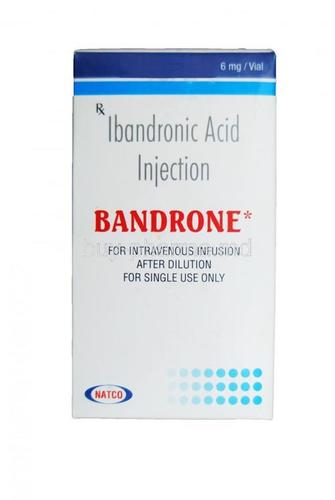
Ibandronic Acid Injection is used to treat high blood calcium levels (hypercalcemia) that may occur with cancer. Zoledronic acid is also used with cancer chemotherapy to treat bone problems that may occur with multiple myeloma and other types of cancer (such as breast, lung) that have spread to the bones.
Benefits of Ibandronic Acid InjectionIbandronic Acid Injection offers targeted therapy for managing osteoporosis in postmenopausal women, as well as for preventing skeletal complications in breast cancer patients with bone metastases. Administered intravenously, it delivers rapid, consistent dosing and is formulated to be ready-to-use, minimizing preparation time for healthcare professionals. The single-dose vial supports precision and convenience during infusion.
How to Use Ibandronic Acid InjectionThis medication is intended for intravenous infusion and should only be administered by qualified medical personnel. The entire contents of the single 6 ml vial are infused at intervals prescribed by your doctor, ensuring appropriate pH is maintained with necessary adjustment agents. Always follow the healthcare providers instructions regarding dosage schedule and administration process.
Safety, Storage, and Shelf LifeIbandronic Acid Injection should be kept below 25C, protected from light, and not frozen. Glass vials are clearly labeled for safe identification. Patients with hypocalcemia, known allergy to ibandronate or its components should not use this product. Shelf life is 24 months from manufacture, and safe handling is assured when guidelines are followed.
FAQs of Ibandronic Acid Injection:
Q: How is Ibandronic Acid Injection administered?
A: Ibandronic Acid Injection is administered as an intravenous infusion by a healthcare professional. It should not be self-administered and is given as prescribed, typically in a healthcare setting like a clinic or hospital.
Q: What conditions does Ibandronic Acid Injection treat?
A: This injection is used to treat osteoporosis in postmenopausal women and to prevent skeletal events in patients with breast cancer who have developed bone metastases.
Q: When should I avoid using Ibandronic Acid Injection?
A: Avoid using this medication if you have hypocalcemia or known hypersensitivity to ibandronate or any vial ingredients. Consult your doctor for a thorough assessment before starting therapy.
Q: Where should I store Ibandronic Acid Injection vials?
A: Store the vial below 25C, away from direct light, and do not freeze it. Proper storage ensures medication stability and safety up to the stated 24-month shelf life.
Q: What are the common side effects of Ibandronic Acid Injection?
A: Side effects may include fever, flu-like symptoms, bone pain, nausea, and indigestion. Inform your healthcare provider if any adverse effects become severe or persistent.
Q: What benefits does the single-dose, ready-to-use vial offer?
A: The pre-filled single-dose vial simplifies intravenous preparation, ensures accurate dosing, and enhances convenience for both the provider and patient during treatment sessions.
Q: What is the appearance and composition of Ibandronic Acid Injection?
A: It is a clear, colorless aqueous solution provided in a glass vial. The injection contains ibandronic acid, water for injection, sodium chloride, possible pH adjustment agents, and other excipients, with no fermentation smell.






 Send Inquiry