Product Description
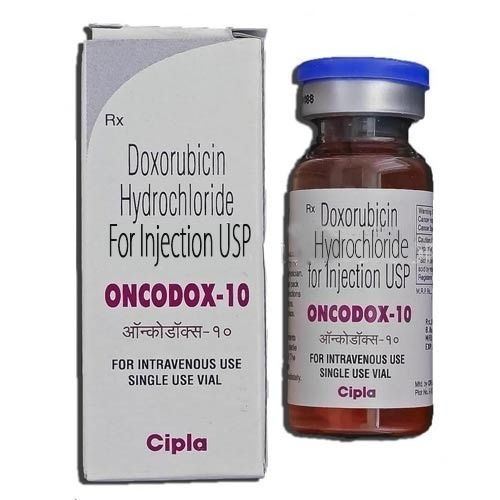
Doxorubicin Hydrochloride Injection
Doxorubicin belongs to the group of cancer-fighting medications known as antineoplastics, and specifically to the family of antineoplastics called anthracyclines. Doxorubicin prevents the growth of cancer cells by interfering with the genetic material DNA, which is necessary for reproduction of cells.
How is Doxorubicin Hydrochloride Injection Administered?Doxorubicin Hydrochloride Injection is administered intravenously only. This means the injection is given directly into a vein by a healthcare professional, typically in a hospital or oncology clinic. The dose and frequency depend on the specific cancer type and individual patient factors. It should never be injected intramuscularly or subcutaneously.
What Are the Key Benefits of This Injection?This medication is an effective option for the treatment of a wide range of malignant diseases, including breast and bladder cancer, lymphoma, and leukemia. Its rapid action targets rapidly dividing cancer cells, making it a key component in many chemotherapy regimens. Sterile and ready-to-use, it ensures safety and convenience for medical professionals.
What Precautions and Storage Conditions Are Required?The injection must be handled with cytotoxic drug precautions due to its potent anticancer properties. Store the vials between 2C and 8C, protected from light and never frozen. Follow all local guidelines for handling and disposal of cytotoxic agents to ensure safety for patients and healthcare workers.
FAQ's of Doxorubicin Hydrochloride Injection:
Q: How should Doxorubicin Hydrochloride Injection be administered?
A: Doxorubicin Hydrochloride Injection is intended for intravenous (IV) use only. It should be administered by a qualified healthcare professional in a hospital or clinical setting. The solution must not be injected into muscles or under the skin.
Q: What cancers is this injection typically used to treat?
A: Doxorubicin Hydrochloride Injection is indicated for treating breast cancer, bladder cancer, Kaposi's sarcoma, lymphoma, and acute lymphocytic leukemia. It is routinely incorporated in chemotherapy protocols for these conditions.
Q: Are there any specific compatibility precautions while preparing this injection?
A: Yes, Doxorubicin Hydrochloride Injection should not be mixed with heparin or fluorouracil due to potential incompatibility. For dilution, use only saline or dextran solutions as recommended by the manufacturer.
Q: When should this medication not be used (contraindications)?
A: This injection is contraindicated in patients with severe myocardial insufficiency, recent myocardial infarction, or severe hepatic impairment. Always consult a physician prior to use if you have cardiac or liver health concerns.
Q: What safety measures should be followed when handling Doxorubicin Hydrochloride Injection?
A: It is crucial to handle this medication with cytotoxic precautions, such as using gloves and protective equipment, to avoid unintended exposure. Only trained healthcare professionals should manage and administer this drug.
Q: Where should the injection be stored to maintain its efficacy?
A: Store the glass vials in a refrigerator at 2C to 8C. Protect them from light, and do not freeze. Ensure the vials remain sealed until use and check the expiration date before administration.
Q: What are the key ingredients in this injection?
A: The primary active ingredient is Doxorubicin Hydrochloride, dissolved in sterile water for injection, with other excipients to ensure stability and sterility. The solution shows a red, clear appearance and is odorless.






 Send Inquiry