Product Description
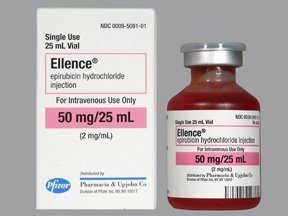
Since last manyyears Saintroy Lifescience is leading manufacture, export and supplierofEpirubicin Hydrochloride Injectionfrom Surat, Gujarat, India. Epirubicin Hydrochloride Injection used in combination with other medications to treat breast cancer in patients who have had surgery to remove the tumor.
Tags: Epirubicin Hydrochloride Injection manufacturer, Epirubicin HydrochlorideInjection exporter, Epirubicin Hydrochloride Injection supplier,and Epirubicin Hydrochloride Injection, whogmp approved Epirubicin HydrochlorideInjection manufacturer and supplier, Epirubicin Hydrochloride Injectiondistributor, Epirubicin Hydrochloride Injection shipper, Epirubicin HydrochlorideInjection 25 ml Epirubicin Hydrochloride Injection 25 ml supplier,Epirubicin Hydrochloride Injection 25 ml.
ISO/GMP/cGMP/WHOGMP/NAFDAC approved, PPB Kenya approved/USFDA approved/EUGMP approved/MOH Iran approved manufacturing facility inGujarat, India.
Registration: Saintroy Lifescience is interested inregistration of own brand or customer brands in ministry of health of clientscountry and we also provide the products samples, COA, COPP, ACTD or CTD dossier, DMF, Manufacturing license, Free sales certificate and other required documents.
Export Country :Saintroy Lifescience Epirubicin HydrochlorideInjection export to USA, Canada, Germany, Europe, France, Ghana,Nigeria, Kenya, Senegal, Sudan,UAE, Kuwait, Dubai, Cameroon, Lebanon, Peru,Chile, Somalia, Philippines, Myanmar, Maldives, Thailand, Singapore, Malaysia,Hong Kong, China, Zimbabwe, Togo, Burkina Faso, Niger,Guinea Bissau, Congo,Democratic of republic, Ivory Costa, Oman, Guatemala, Nicaragua, Salvador,Qatar, Costa Rica, Panama, Cuba, Colombia, Bolivia, Argentine, Algeria, Guyana,Morocco, Jordan, Bahrain, Iran, Egypt, Kyrgyzstan, Uzbekistan, Kazakhstan.
How Epirubicin Hydrochloride Injection is AdministeredEpirubicin Hydrochloride Injection must be given through intravenous infusion or injection, strictly in a hospital environment under the supervision of trained healthcare professionals. This ensures appropriate dosage, handling, and monitoring, reducing the risk of complications associated with cytotoxic medicines.
Packaging and Storage InformationEach dose is supplied in a glass vial with a rubber stopper and aluminum cap, individually boxed for safety. It should be stored in a cool and dry place and used within 2 years of manufacture to maintain potency and safety. Proper storage safeguards its stability and effectiveness.
Intended Indications and UsageThis injection is primarily used in treating various cancers such as breast and ovarian cancer, with administration and dosing tailored by an oncologist. Its composition allows compatibility with common infusion fluids such as 0.9% sodium chloride and 5% dextrose for effective delivery.
FAQ's of Epirubicin Hydrochloride Injection:
Q: How should Epirubicin Hydrochloride Injection be administered?
A: Epirubicin Hydrochloride Injection is administered by intravenous infusion or injection only, strictly by qualified healthcare professionals within a hospital. Self-administration is not permitted due to its cytotoxic nature and the need for careful monitoring.
Q: What are the main benefits of using Epirubicin Hydrochloride Injection?
A: The medication is effective in treating various types of cancer, including breast and ovarian cancer, when prescribed by an oncologist. Its compatibility with standard infusion fluids and adherence to internationally recognized quality standards ensure reliable treatment outcomes.
Q: When should this injection be used and who can prescribe it?
A: It is used as part of a prescribed chemotherapy regimen for cancer patients, under the direction of an oncologist. Only licensed medical practitioners can prescribe and administer the injection, given its cytotoxic and prescription-only status.
Q: What precautions are necessary when handling Epirubicin Hydrochloride Injection?
A: Due to its cytotoxic properties, the injection must be handled with care, following established hospital protocols for cytotoxic agents. Protective gear should be used, and it should not be handled outside a healthcare setting.
Q: Where should Epirubicin Hydrochloride Injection be stored?
A: Store the injection in a cool and dry place, protected from light and moisture. Proper storage helps maintain its stability and effectiveness throughout the 2-year shelf life.
Q: Which adverse effects might occur with Epirubicin Hydrochloride Injection?
A: Common adverse effects include nausea, myelosuppression, temporary hair loss (alopecia), and possible heart complications (cardiotoxicity). Side effects should be reported to the treating oncologist for proper management.
Q: What is the process for preparing and using this injection in hospitals?
A: Healthcare professionals prepare the solution using aseptic techniques and infuse it into the patient with compatible fluids like 0.9% sodium chloride or 5% dextrose. Single-use glass vials ensure precise dosing and minimize contamination risks.






 Send Inquiry